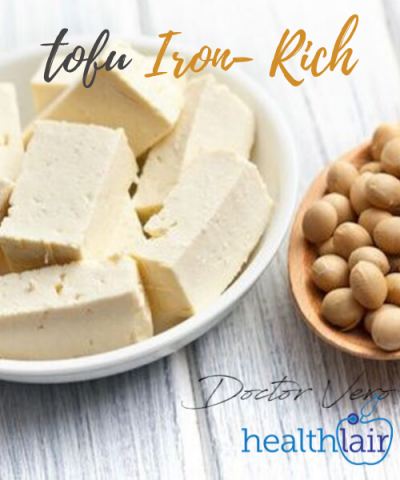
Last month, I posted a story about what I would be making for dinner. I made the “lame” excuse that I was going to make STEAK because I needed some Iron.. then, I laughed it off, telling all of you guys “to know better” because “you can get iron from a bunch of different things that are not the steak.” An Iron-Clad Diet ✓ A few of you messaged me and asked me what other foods were high in Iron, and because of that, I’ve decided to write this Iron-Clad Diet Post! Pun intended, ha! First of all, what is Iron, and why do we need it? First and foremost, it’s a mineral which our body needs! But why do we need it? Our red blood cells have a protein called hemoglobin, and at the center of it is Iron (Fe). Without Iron, we cannot make hemoglobin. Why is this bad? This protein helps our red blood cells carry oxygen from our lungs to our tissues.✓ (Heart, Kidneys, Liver, Intestines…MUSCLES!). Most of our Iron is found in hemoglobin, which is carried around by our red blood cells, another portion is stored for later use, and an even smaller proportion is held in myoglobin (a protein found in muscle).✓ If you’re low in Iron, you can have what’s called iron deficiency anemia. It can present with: Fatigue, Exercise intolerance, Weakness, Even chest pain (because your heart NEEDS oxygen, So YES… We NEED Iron! But do we HAVE to get it from STEAK? Ummm…. NO! There are so many other things you can eat to get your Iron! It’s important to know, though, that there are two types of Iron.✓ Heme iron, which you find in red meat and fish.✓ 2 – Non-heme Iron, which you find in veggies, legumes, nuts, etc. Heme iron has higher bioavailability, meaning, more accessible for use. Whereas non-heme Iron, you’d need to eat more veggies, legumes, and nuts to reach the same level of Iron you would get from a steak or seafood. Another thing to know is that certain compounds present in cereals and legumes slow down the absorption of non-heme iron. In contrast, Vitamin C (ascorbic acid), poultry, fish, and meat enhance the absorption of non-heme iron. These don’t pose any issues if you’re eating a balanced diet, including animal protein. Those more likely to be affected are vegetarians and vegans, who eliminate animal proteins from their diet.✓ So let’s talk about how much Iron you “need” a day, and where you can find it! Recommended iron requirements are about 1.8 times higher in vegetarians. Which is any long term vegetarians should consider iron supplements? On average, for an adult, the required iron intake per day is 8-11mg/day for males and 15-18mg/day for females, especially during their time of the month. These recommendations increase to a whopping 27mg per day if you’re pregnant. Hence prenatal vitamins containing Iron. Below is a list of the amount of Iron in certain foods: But you can always check out the NIH to see a bigger list. Breakfast cereals fortified with Iron have 18mg per serving.✓ Dark Chocolate 3 oz: 7mg per serving no wonder you crave chocolate during your time of the month? Maybe.✓ Oysters 3oz: 8mg per serving✓ Beef 150g: 4.9mg/serving✓ Pistachios 60g: 4mg/serving✓ Pork 150g: 3.9mg/serving✓ Lentils: 3mg per ½ cup✓ Spinach (boiled and drained): 3mg per ½ cup.✓ Kidney beans, chickpeas, tomatoes, potato: 2mg per serving✓ Milk has 0mg of Iron.✓ Breast milk has Iron, but not enough to meet the requirements of a 4-6month old infant.✓ Nuts, turkey, rice, chicken with skin, broccoli have about 1mg per serving.✓ The bottom line is: You can get Iron from other types of foods. Not all Iron is created equal. Having a balanced diet and eating meat and seafood in moderation helps the absorption of Iron from legumes and veggies. This is why I have mentioned many times in my stories that although I follow a predominantly vegan diet when I can, I will consume meat, seafood, and poultry. ✓ I do respect and appreciate those who follow full vegetarian diets and vegan diets for animal rights or religious or any other reason. Still, I do ask that you see your physician at least annually so that they can follow your health and especially iron levels so you can feel your best and keep living a healthy lifestyle! And don’t miss out Benefits of Apple Cider Share: More Posts NewsLetter Recent Articles Discover More Articles
So you’ve submitted your application already! And now, you have an interview coming up, and you have NO IDEA how to prepare for it. What do you do? Well, there are a few things you CAN DO…, and then there are things you SHOULD DO. YOU CAN: Give off the impression of the perfect candidate – well-rehearsed and composed. YOU SHOULD: Be true to who you are, with the added piece of self-control, tact, and a hint of preparation. Practice commonly asked questions, but not in a way that will lead you to answer robotically. Be natural. HOW DO YOU DO THAT? By being honest! If you genuinely believe in what you are saying, regardless of the way you are saying it, it will come out naturally. When I say practice the questions, it doesn’t mean MEMORIZE an answer. It means to write down what you would like to say to ORGANIZE your thoughts into a cohesive message AND THEN… say it in different ways out loud. I do NOT recommend that you sound like a robot and well-rehearsed. WHY NOT? It won’t show off your personality. You’ve been offered an interview.. It means they like you on paper. But the interview is for you to show them who you are as a person, that you will integrate into their community, mesh well with the current residents and share in their values and future aspirations. YOU CAN: Be very assertive by asking a lot of questions and taking out a list of 50 to show how well prepared and interested you are. YOU SHOULD: Have about ten questions that you genuinely NEED to know the answer to, to help you decide ranking when it comes to that time. I call these: The 10 Y’s The ten reasons why you should choose them as your top choice. It can be just 5.the number is up to you. But make sure they are things that will TRULY help you decide how to rank a program. These MUST BE make or break questions for you, so that if their answer is unsatisfying… you will likely not rank them very high on your list. What should they NOT be? Don’t ask questions that are already answered on their website. BUT… use what they write on their website to ask to follow up or more detailed questions. Questions that are important SPECIFICALLY TO YOU. YOU CAN: Ask the same question in multiple different ways to the same person so that you have more to ask. YOU SHOULD: Ask the same questions in the same way or different ways to multiple people, and admit you have asked others the same question. Ask the program director, ask the supporting faculty, ask each of the residents, the interns, the second years, the third years, etc. It is okay NOT to have a million questions. This way, you will have an answer to the same question by many different people. It gives you the FULL PICTURE ANSWER. If the director and all the residents and the faculty all answer in similar ways or ways that support each other, then you know its real! YOU CAN: Be very quiet and observant and answer in short yes and no answers, especially if you tend to be a shy person. YOU SHOULD: Stay true to yourself and not pretend to be outgoing, obviously, BUT you should make an effort to GET TO KNOW the people you may one day work with. Imagine you are interviewing, and one of the current residents there doesn’t say a word to you (likely because they’re shy too). Would you think they’re just shy? Would you believe they don’t like you? Would you believe you won’t get along?…. you get the idea. Imagine yourself on the other side of the table and then try to show who you indeed are. Chances are you’re shy because it’s a stressful situation and you’re nervous. DON’T LET THE NERVES GET IN THE WAY OF LANDING YOUR DREAM JOB. YOU CAN: Be VERY assertive… answer questions before they’re fully asked. YOU SHOULD: Stay true to who you are…with some slow-motion action. If you know what they’re about to ask you, that’s great! You’ve anticipated a question, and it will work in your favor. BUT, you NEED TO LET THEM ASK IT. YOU CAN: Talk a lot and fast and not let anyone else put a word in. YOU SHOULD: Be true to who you are. Are you sensing a pattern here? Lo BUT make sure you also show interest in the people around you. They might one day be people you will spend more time with than with your own family. Getting to know their hobbies, what they like, where they’re from is just as important as showing them all those things about you. This is like a date! How long will you date someone who only talks about themselves? Communication is a 2-way street. I am very happy for all of you! Proud of all of you! If you still have not received an interview, I’ve been there! So I understand the stress and fear. Start sending emails to the programs you’ve submitted applications to. Express interest in interviewing there, even if you’ve already racked up a bunch of interviews. If the programs you truly want have not offered you one yet, email them! It is the time, so be diligent! Put in as much effort. The season is not over until it’s over, and you can still get interviews as late as January and maybe early February. ESPECIALLY IF THERE ARE CANCELLATIONS! Some people cancel! Spots become available! So if a program says, You already sent out all the interview invitations we have available, Do not be afraid to ask for consideration if they have any cancellations. Share: More Posts NewsLetter Recent Articles Discover More Articles

ICU was my 1stblock as an intern! As someone who had been OUT of the hospital setting for almost three years… You can say I was oh, I don’t know. TERRIFIED! I may have done an ICU/CCU elective when I was in my 4thyear.. which I recommend so that you get an idea of what it is like before you’re there yourself… BUT it was a long time ago…. And I was NERVOUS. So, naturally, as all of you reading this, I Googled how to prepare. But, now that I have finished my 1st month of residency in ICU. I can now give you guys a few tips for survival and succeed! Introduce yourself IMMEDIATELY to all the nurses: Let them know you’re the new intern. Tell them your name. Shake their hand. Let them know that you KNOW you’re in their territory and that you will need their help. They have the experience to be able to guide you. Do not think yourself above them just because you’re “the doctor.” We are all tadpoles still. Check Potassium, Magnesium, and Phosphorous on ALL your patients. Every day! By far, the thing you will do most in ICU is replacing these electrolytes. ICU patients have a lot of electrolyte imbalances. They are likely intubated, NPO, or getting TPN or Tube Feeds. So make sure you know their levels and replace them if needed. If you return one, RECHECK IT in a few hours. HINT: You can give them PO if they have a feeding tube. PO is better absorbed, so it replaces levels better. But IV is also acceptable. FYI: When given a choice… choose potassium chloride. You’re welcome. PS: Different doctors and different facilities prefer different ways of replacing.. learn their ways. 3. Make sure you have labs ordered in the AM. Check that every patient has labs ordered for the following morning. Often you are trending things, especially in the ICU. I always made sure I had a CBC, CMP/BMP. If the patient has pancreatitis or is very ill, I would get the CMP because it includes the LFTs. The BMP does not! Patients in the ICU can quickly deteriorate and go into multi-organ failure. You won’t catch liver failure unless you’ve got those LFTs. Find out who the nurses are for your patients and ask them how your patient did overnight. Ask about overnight events! To know your patient, you need to know how they’re doing and how their night went. So ask about it. The nurses record everything! If the patient tried to pull out their tube, if they went into DTs and had to get Ativan, how much Ativan. Suppose they were put on pressors or taken off pressors. If their BPs and HRs have been stable. ASK! And KNOW! It will be your job to fill in the attendance. Introduce yourself to the patient and their family as a resident on the team taking care of their family members. Be prepared to answer questions, and IT “S OKAY TO SAY YOU DON’T KNOW but will find out. Create your checklist every morning Make sure you create a checklist every morning of all the things you need to do for each patient to make sure you don’t forget. Create symbols that mean TO DO and others to indicate PENDING. Honestly… I’d check out OnlineMedEd.Com and use code OME18. They have an excellent way to help you use symbols to your advantage, so you don’t have to use so many words for things. Helps with time management. Example: AM labs Replace electrolytes and recheck Consult GI, or Cards or Neuro or whoever else CXR or other Imaging Progress Note! Progress Note! Progress Note! Discharge summary History and Physical This will help you keep track of things you’ve done and the items you have yet to do. ORGANIZATION is the key to TIME MANAGEMENT. 7. Get there early! You won’t know how many patients you will have. So get there early; that way, you will have enough time to review everyone’s chart, see the patients, and prepare your plan of care by the time you have to round with your attending. I started out getting there at 7 am. once I knew how long it took me to get through my to-do list and see the patients and prep the note and create a plan… I was able to get there later and still be ready for rounds with time to spare. Read about your patient’s conditions and conventional treatments to help you make a plan. – Getting there early was a great way to give yourself time to read up on a patient’s lab results or physical exam finding that you weren’t sure what to do with. UpToDate was my go-to. I would read up on it and find usual treatment options for it and even a diagnosis for it. I would add all of it to my assessment and plan. The AP of the SOAP…. Yep. SOAP notes. If you don’t remember what it is or how to write one… check out OnlineMedEd.Com. Use code OME18. Get acquainted, lol. 9. Look at everything at the patient’s bedside. Read everything that is hanging the bedside. It will be fluids, tube feeds, medications, titrations, antibiotics, etc. etc. Know what your patient is on, how much, how often, and for how long. Document it all. Confirm that they should still be on those things and if they shouldn’t because the previous note said to stop it, ask the nurses about it. Chances are maybe it wasn’t discharged in the system, or they were told verbally to give it. DOCUMENT everything. Ask for help when you need it! You won’t always know what to do, especially if your attending isn’t next to you, and neither is your upper level. So ask

How long do you sleep at night? Do you find it easy to fall asleep? Do you often stay up to watch movies? Most of us do not pay much attention to sleep, it’s quality or quantity, but the fact is; sleep is vital for good health. So what is sleep deprivation and how does it affect our body? To be short, it means you are not getting enough sleep, or you are getting too much, yet you wake up tired and not refreshed. You may find yourself falling asleep when you shouldn’t, or needing naps to get through the day. Once in a while, you may sleep less due to work pressure or any other reason, which will make you sleep deficient. But if you sleep inadequately for a long time, your body will start giving you signals of sleep deprivation. What do you feel when you are sleep deprived? Moodiness Fatigue Lack of concentration In Children, sleep deprivation manifests a bit different Overactivity Problems paying attention Misbehaving If you notice, sleep deprivation in children looks very similar to ADD/ADHD. So, is there a connection there? Yes, there is. So pay attention to your kids’ sleeping patterns. Sleep deprivation may also lead to several other medical conditions, such as: Diabetes (high sugar) Depression Cardiovascular disease (heart problems) Obesity Neurological issues (affects the brain) Loss of muscle recovery after exercise or injury Facial changes and an appearance of sadness Therefore, it is essential that along with eating healthy and getting regular exercise, you must also get enough sleep to help your body recover and maintain a balanced metabolism. It is critical not only for your mental and physical health but also for your quality of life, safety, and overall happiness. How can you get adequate sleep? Create a sleep routine and make sure that you are sticking to it. Only by sleeping right you can lower your risk of acquiring several diseases that depend on a proper sleep cycle. For those interested, I will be posting a more detailed explanation about the following things on my youtube channel: The link between sleep deprivation and ADD/ADHD. How sleep deprivation causes a higher risk of all the diseases mentioned above. Also, If you would like tips on how to create healthy sleeping habits and a good sleep routine, contact me. I would be happy to help your body get the Z’s it needs. To get more info on the diseases to lack of sleep can cause, subscribe to my YouTube channel and watch my vlog on sleep part 1 and soon part #2. Share: More Posts NewsLetter Recent Articles Discover More Articles

Although evidence is just emerging, and therefore primarily criticized, an article from the William and Medlock NEJM suggested that the increasing racial hostility and community level prejudice towards marginalized groups will adversely affect health. This will only increase the already present health disparities of the nation and is, therefore, an important issue to address and quickly find a solution for. A study on the perceived racial discrimination on health status and health behavior showed that there is an inverse relationship between the perception of discrimination and health. This was mainly due to higher internalization and externalization reactions. Internalization was related to self-reported health status, whereas externalization included changes in substance use problems. This study showed that both substance use and physical health are affected negatively by discrimination (Gibbons, 2014). A study on Racism and Health showed that health can be negatively impacted by a variety of racial issues. Any discrimination, even of the physician, adversely affects the healthcare a patient receives. The study showed that “institutional and cultural forms” of racism “have been and continue to be major contributors to initiating and sustaining racial inequalities in a broad range of societal and institutional policies…” (Williams, 2014). Although the above study showed how patients might receive less than optimal healthcare due to discrimination by institutions and healthcare providers, health disparities are not just based on race. The race is also complicated by social, economic status. What I mean by that is this social, financial situation is sometimes lower among individual races, and therefore might have less access to health care. According to a study on race, socioeconomic status, and health, poverty varies by race; moreover, child poverty rates “for all racial groups, are higher than the overall poverty rates and child poverty is also strongly patterned by race.” Furthermore, poverty levels of blacks and Hispanics were two to three times higher than those of whites (Williams, 2012). However, even after controlling for SES, “racial disparities in health often remain.” Likewise, there are also racial differences in disease, even among high SES groups. Certain diseases such as diabetes and high blood pressure were almost twice as high in black physicians than white physicians. From a class lecture in my health policy class, Life expectancy is also affected by race, as well as SES and income. According to a study on race, SES, and health, racial discrimination has gained a lot of interest in a possible stressor that may adversely affect health. Some of the health issues that are associated with racial discrimination include fibromas, diabetes, higher risk of drug abuse, and coronary artery disease (William, 2012). Stereotypes have also been found to adversely affect health disparities between races. Any stigmas of inferiority, which have been found to affect academic performance, have also been associated with high blood pressure. Stigmas such as “blacks performing more poorly on exams than whites, women who were told they performed worse than men, white men told they perform worse than Asians,” etc. Also, internalized stigma has been associated with a higher risk of being overweight, as well as more abdominal obesity in black women in the Caribbean and more cardiovascular outcomes in black women in Africa (William, 2012). Racial Hostility Another study showed how the patients themselves change their behaviors and increase their risk of illness. A study on racial discrimination and HIV-related risk behaviors in Southeast Lousiana showed that those who experienced racial discrimination had higher levels of risky sexual behaviors. This puts them at higher risk of sexually transmitted infections (STIs) and increased “vulnerability to HIV” (Kaplan, 2016). According to Scherwitz, there is a relationship between hostility and health behaviors, which may contribute to adverse health, such as tobacco smoking and marijuana (Scherwitz, 1992). One study found that even if exposed to hostile or racist interactions, as long as there are healthy, high-quality relationships in the patients’ life, their health is not as negatively affected since they are not exposed to the physiological changes that usually would occur in the person exposed to high interpersonal conflict (Guyll, 2011). However, just as with any other disease, the psychological state is also essential to a person’s health and wellbeing. A study has found a connection between anger, hostility, and aggressiveness, and many health risks (Staicu, 2010). I don’t agree that racial hostility alone is a significant cause of health disparities. I do, however, firmly believe that how people react to hostility has a substantial effect on the body. This effect can be physiological, psychological, and, therefore, physical. As a doctor and based on what I know from medicine, the body reacts to stress in many ways. Many times having a sound support system at home or school, even in the community, increases your chances of thriving. This has also been shown to work in babies in the neonatal intensive care units (NICU), where sometimes placing two babies in the same incubator, their health stats begin to rise. It is unclear the reason why this occurs, but I think humanity strives through support. Loneliness, marginalization, and isolation often lead to symptoms of depression. This alone can wreak havoc on your body and adversely affect your health. I have conducted a lot of research on stress and its effects on the body. Interestingly enough, the research I have done for my health blog and youtube channel have somehow coincided with what I have needed to know in my masters of public health. In this case, I have learned all the reasons why specific exercises that decrease stress can have such positive gains on health. It is not just that exercise is beneficial because, well, its activity. It is because things like yoga and meditation interact with how your body manages and responds to stress; mainly the stress hormone, cortisol. Anything that decreases persistently higher levels of cortisol will have huge benefits on health. I firmly believe that it is our physiological response to stress. In this care, racial hostility or marginalization that brings with it all the adverse effects previous studies have shown to be associated
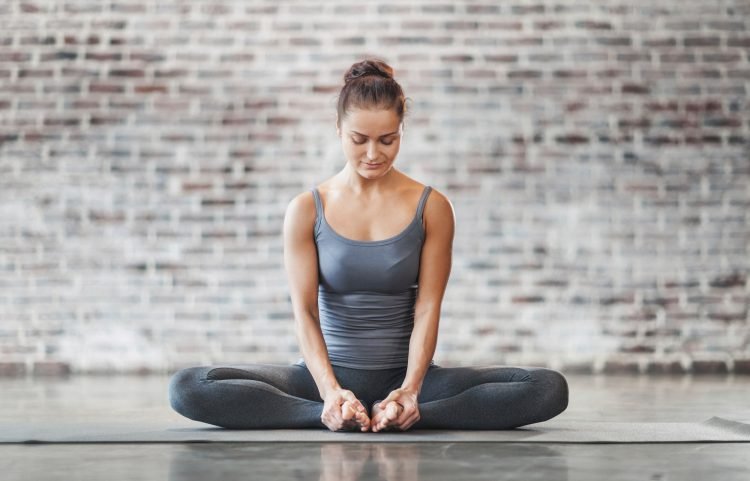
Are your joints getting stiffer? Is your back or neck pain troubling you? Are you struggling with an eating disorder or drug addiction? Do you face problems with concentration and decreased energy levels? Are you battling anxiety, depression, fibromyalgia, cardiovascular disease, or cancer? Have you considered yoga? It may seem too easy to think just yoga can improve your quality of life, but the fact is; yoga has many benefits on the body and mind. These will not only leave you amazed, but you might end up enrolling in your first class. Who knows, maybe you become a full-on Yogi. So, what can yoga do for you? 1- It makes you flexible. We all know that yoga = flexibility, AND it is the first thing you will notice. Starting yoga is quite uncomfortable. You may experience muscle cramps and strains. BUT – those aches and pains begin to disappear. YES, our body gets used to it; you become flexible, and suddenly, what you couldn’t do a few sessions ago becomes easy. Is flexibility a good thing? Mixed reviews. It doesn’t improve your endurance or strength. BUT, as the joints and connecting tissues start loosening, your range of motion improves, your posture improves, you have a lower risk of injury doing daily activities like reaching down to tie your shoe, or reaching overhead for something, looking over your shoulder, etc. As you get more flexible, you’ll be able to complete more complex poses, and your self-confidence will skyrocket! And these are all good things. 2- Improves your blood flow Another direct effect of yoga is improved circulation. The twisting, inverting motions, relaxation techniques, and breathing exercises all increase blood flow and oxygen delivery to your entire body. It not only increases the flow of oxygen to your blood, fueling your muscles and brain with energy, the higher oxygen also improves your immunity and makes your blood thinner. This may seem like a small thing, but it is not; it lowers your risk of heart attacks and stroke; blood clots often cause these. Overall, this benefits all the other types of exercises you will want to practice by helping your body maximize oxygen uptake and use. 3- Lowers your stress level Stress is another big talk! So I’ll try not to get too detailed here. Cortisol is a stress hormone. This hormone is good to have when you need to combat a crisis; It is 1 of 3 stress hormones that induce the “fight or flight response” of your body AKA the sympathetic nervous system. The different aspects of yoga help your body to shift from a fight-or-flight to a more relaxed state, AKA parasympathetic nervous system. To be exact, yoga is known to reduce cortisol levels. This not only lowers your stress levels but also prepares your body to deal with stress more efficiently. Why would this be important? No doubt, cortisol is essential. BUT Excessive cortisol in the blood can cause Depression, osteoporosis (bone loss), insulin resistance (diabetes), and high blood pressure. By regulating the amount of cortisol, yoga boosts your immune system, decreases stress and also helps you cope with stress. 4- Improves your Sleep Cortisol is not just a one-job hormone. It also plays a role in your sleep cycle. Cortisol is low when you are falling asleep, and goes up towards the end. This means that a rise in cortisol decides when sleep ends. So if your cortisol level is always high because of stress, falling asleep will NOT be easy. From what I said before, yoga helps lower cortisol…so you can get the ZZZ’s you need! 5- Makes you happier Yes, one of the long-term benefits of yoga is an increase in happiness. Practicing yoga for a long time increases the level of serotonin in the body, which makes you feel happier. Lowering serotonin is a reason why it also helps with Depression. Yoga also decreases Inflammation in the body. Why is that a good thing? Patients with Depression have been found to have higher levels of Inflammation. So it is thought that Inflammation has a role in depressive symptoms. Meditation, which is a part of yoga, helps you to be in the moment and connect to your higher self. This also helps you to lead a peaceful and contented life. Just look at the YOGI bear! Such a happy bear! 6- Improves your Sex Life That’s right! Yoga enhances your sex life! Especially if you are a female over the age of 45 and are having issues with sex, this includes arousal, lubrication, orgasm, and pain. Being peri-menopausal and even post-menopausal doesn’t mean you shouldn’t enjoy everything life has to offer, and this includes sex. So, is it only suitable for women? NO! It’s also helpful to men. Men who are under a lot of stress commonly have trouble in the bedroom. Stress has been shown to cause erectile dysfunction and decreased libido. Knowing that yoga reduces stress… what do you think yoga will do for these men? ERECTION! Well… not right then during yoga! But definitely when at the right moment. CONCLUSION: It Promotes a Healthier Lifestyle Yoga helps you cope with both physical and emotional stress in better ways. It can protect you from injury during daily activities and prevents falls, especially in the elderly. It improves concentration and efficiency. It makes you happier, more confident, and may even enhance your sex life. For people who struggle with drug addiction, yoga has been shown to help with motivation to stay sober. People with eating disorders also benefit from the added confidence and improved self-image. All of these are great benefits of yoga, and let’s not forget it helps you maintain your physique, all while helping the rest of your body. For those of you who have never tried it, those of you that think you cannot do it, those of who think you are “too old,” “too weak, “too fragile” to do it; don’t be discouraged. The great thing about yoga is that it is tailored to you. You do what you can

It is widely known that healthy eating has a significant impact on human health. What we put in our bowls and our bodies can significantly contribute to our health. The food we eat can notably manipulate our intestinal health, hormones, and even brain functions. When we are talking about healthy eating, the green vegetables are placed at the top of the list. They are low in calories but have a lot of vitamins and minerals that are needed for the normal functioning of the body. These include iron, folic acid, magnesium, amino acids, adjuvants, omega three fatty acids, and more. The calcium that comes from the green vegetables is essential for the regulation of the arterial pressure and the strength of the bones. Also, the magnesium and potassium, together with the calcium, maintain the balance of fluids in the body. If you want to improve your immunity, this group of vegetables should constitute the basis of your diet. Take a look at our list of green vegetables, incorporate them into your daily diet, and you will be vital and healthy. However! If you have certain medical conditions, some of these foods should be avoided; feel free to contact me if you have any questions or ask your doctors and nutritionist what foods are best for you! Cabbage One of the most nutritious types of vegetables. It is an excellent source of beta-carotene, vitamin C and E, potassium, calcium, and manganese. It can be combined with many dishes, but it is excellent as a salad. However, caution to those of you with colon problems such as IBS or Crohn’s Disease and Ulcerative Colitis. Cabbage and other gas-producing foods can make your symptoms worse. SPINACH Green Vegetables is a rich source of vitamins and minerals, dietary nitrates. Why are nitrates essential? A study found that nitrates from spinach can improve cardiovascular health by lowering blood pressure and arterial stiffness. It also contains vitamin K, which is necessary for blood clotting and healthy bones. If you are on blood thinners like warfarin, try to get the same amount of vitamin K every day; it’s critical. BROCCOLI is a remarkably healing vegetable. Numerous studies have shown that the sulforaphane found in broccoli stimulates the protein synthesis that fights against the cancer cells. It is also full of antioxidants and other vitamins such as Vitamin E, C, and K. CUCUMBERS Cucumber juice helps to regulate blood sugar. This makes them beneficial for people who have diabetes or have high blood sugar. Cucumber is a vegetable that’s 95% water, but it’s also rich in minerals, natural salt, enzymes, vitamins, and antioxidants. It is widely known that healthy eating has a significant impact on human health. The fibers overcome the feeling of hunger and can help with symptoms of constipation. Fresh juice can also help the skin! It reduces swelling and irritation, and no wonder they are so used in facemasks and face creams! It even helps with sunburn pain! They are also part of the same family as melon, squash, and pumpkins! ZUCCHINI contains beta-carotene, and numerous studies confirm that foods rich in beta-carotene reduce the risk of cancer. Beta-carotene is converted to vitamin A in the body, and a well-rounded diet is essential because specific vitamins like vitamin A cannot be absorbed without fat intake. Vitamin C, which is also found in zucchini, also protects the body from high blood pressure and strokes. Now that you know the benefits that are these vegetable offerings, you need to take a look at the following two recipes. Often I don’t eat certain veggies because I haven’t found a way to cook them to my liking, but once I find the one! I eat it as often as I can make it! The greenest smoothie ever Ingredients: 3 leaves green salad Eight leaves spinach One cucumber a little bit of parsley One spring onion juice from 3 lemons a pinch of salt One teaspoon sesame seeds Preparation: You add all of the ingredients in a blender and add water until you reach the limit of 2L graved on the container of the mixer. After that, you mix everything and get the healthiest smoothie possible. Usually, if it is too thick for your taste, you can add more water. Zucchini Breakfast Ingredients: Three pieces zucchini olive oil Salt Preparation: This is the easiest and healthiest breakfast recipe. All you need to do is wash the zucchini and cut it on circles. Put olive oil in a pan and fry the cut zucchini. You can also combine it with eggs and cheese. I sometimes even put the zucchini in the oven to roast them a bit without the frying component. DELICIOUS! Broccoli Salad Ingredients: One broccoli (medium size, around 500 gr.) 2-3 cloves garlic One teaspoon salt olive oil vinegar curry (optional) Preparation: In a big pot, boil the water with one teaspoon salt. After it is cooked, add the broccoli divided into smaller pieces and continue boiling for another 5-6 minutes. Remove the broccoli from the water and let it cool. After it is cold enough, add olive oil, vinegar, garlic (finely chopped), and curry. Serve. I usually eat my broccoli raw! I love its crunchiness. If you’re having trouble with the raw, try this recipe for some boiled, softer broccoli and mix any spices you would like! Mix it up! Okay, there are many many more veggies than these, but these are a few that recent studies have looked at and investigated. If you have any specific vegetables you want more info on, feel free to let me know, and ill be sure to do my best and post about them! Share: More Posts NewsLetter Recent Articles Discover More Articles

We all have dreams. Even children have them. Dreams of becoming like mom or dad, of being a pilot/weatherman/doctor like my nephew lol.. like being a ballerina-food scientist-doctor like my niece.✓And who are we? But the people who can change the dreams of the kids in our lives.✓ You and Me..WE…have little understanding of how much we can persuade, discourage, motivate, and destroy the dreams of our kids.✓ When I studied medicine…it as to fulfill a dream of my own! An idea that no one else cultivated in me because doctors did NOT surround me. When I started my blog and youtube channel…it was to fill a who in myself..because I missed talking about medicine, and it quickly became a huge source of happiness for me… Little did I know doing these things for myself would motivate and inspire my niece and nephew to do the same.✓ My niece started a YouTube video on her travels around the world, and my nephew started his channel to document everything in his life! Especially his airplane collection, his basketball, his comedy because let me tell you..this kid cracks me up!✓Have a dream and pursue it! Because it will inspire younger generations to do the same. Who would have known that in pursuing my happiness, I IGNITED hopes within the kids in my life?✓.What dreams have you helped build?? Share: More Posts NewsLetter Recent Articles Discover More Articles

I’m about 3 days away from starting the Family Medicine Residency here in Alabama, so I’ve decided to write this post to help all of those who will be participating in the 2020 Match. Joining in the 2020 Match means you will be applying to programs THIS YEAR (2019) on September 15th.✓ So how does this process work? What is the timeline? What should you be doing, and when? These are all questions I had, and it if weren’t for my amazing friends who also updated me and reminded me to get my token to get certify my NRMP and submit my application…. Well… let’s just say I probably would be worse off.✓ So let’s get right into it. Now! The process is a little different for US Med School students compared to (International Medical school students – future international medical graduates) IMGs. I’ll be talking about the process for IMGs who must use the ECFMG website to get their token.. more on this later. These two things you may already know: as an IMG from SGU, at least… your 3rdyear clinical rotations are made for you. And you can schedule your 4thyear rotations yourself: When, where, and for how long. This is an essential piece of information.. why? Because you might want to schedule electives in places you will like to apply to so that they can get to know you. This was something I didn’t do. I didn’t think I should, therefore, never did. These are known as audition rotations—something to think about if you can still make a few changes to your schedule. So now you’re a 4thyear, and tokens are available to purchase on the ECFMG website. This is only for IMGs. Anyone NOT from a US medical school… Tokens became available on June 25th2019. So if you haven’t purchased it.. get to it! Fees down below. Someone asked me on social media: “what is the benefit of getting your token early.” Once you get your token, you can access ERAS and begin working on your application. But what does that even mean? Here are the ten things that makeup “working on your application.” Personal Statement This is a HUGE part of your application. Programs will have access to your picture, your scores, your letters of recommendation (LoRs), your MSPE. Everything. Your statement is the one place you can show them who you are as a person, as an applicant and why you would be a great addition to their program. This is where you talk about your trials and tribulations. This is where you address any RED FLAGS in your application. Red Flags include dealing as we called it in SGU (meaning dropping or failing a class and having to re-take it another term.. therefore extending your years in med school), leaves of absence, anything that extends your med school years, low scores or failing Step 1 or 2. Don’t just list them. Explain how you GREW from it, what you LEARNED from it. Talk about a positive from the negative.✓ This is also where you can talk about why you’ve chosen that field of medicine to apply to. Why you loved it when you enjoyed it, why you’d be good at it, you can talk about your future aspirations as a doctor, where you see yourself in the future. You can talk about what made you who you are. And, You can talk about the things you value, of character traits you have. You can talk about specific patient encounters that changed you or showed you something about yourself. Don’t just list the qualities you have; give examples that show it! If applying to more than one specialty… write more than one personal statement. 1 for each specialty you are applying to.✓ CV This is your resume! Your academic career, your research projects, publications, volunteering, clubs you’re in, or associations you’re a part of such as AMSA. Be as thorough as possible. Even if not published, list it as pending or in progress and just specify that it is not published. Score Reports You permit them to access your scores. This just means that once you pay for and submit your application, all the programs you’ve applied to will have access to your score reports. If you have taken step 2 and are waiting for the news… don’t worry.. you can still submit your application. Once your report is released, the system will notify the programs that your score is available. SIDE NOTE: If there’s a program you’re very interested in interviewing with… send them a personalized email and let them know your score report is now available and express your interest in their program. Picture This is what the programs that see your application will see. Make sure you look professional. Don’t just upload any picture of yourself. The more recent, the better! Letter’s of Recommendation (LoR) As a 3rdand 4thyear med student, you should be or should have been expressing your intentions to request a letter of rec from your attending in different rotations. The earlier you do this, the better. Remind them. They are busy people! So be sure to send reminder messages here and there. ERAS will create LoR request forms, which you can download and send to your attendings. These forms have instructions for them to follow. The system will ask you if you defer the right to see/read the letter… I always deferred. I wanted my letter writers to be as honest as possible and NOT be pressured by my possible access to the message. MSPE Letter Your school handles this. They will ask you for information, maybe even your resume, and they will do the rest. Make sure you let them know you will be applying and ask them what is needed. PTAL (for California Residencies) This is a big one! If you’re going to be applying to programs in California, you need to fill out a PTAL. This is a pretty long process, so do this ASAP! The fee is also

November is over! But that doesn’t mean that Men’s health should stop being a priority. I’ll be discussing a few things that men may or may not have or might even be afraid of having. This is the first of a 3-part post. Below are the topics I will be discussing to keep men’s health at the forefront of December too. Men’s Health: Erectile Dysfunction (ED) BENIGN PROSTATIC HYPERPLASIA -BPH Men’s Health: Erectile Dysfunction (ED) Benign Prostatic Hypertrophy (BPH) Erectile Dysfunction (ED) Benign Prostatic Hypertrophy (BPH) Prostatic Cancer Erectile Dysfunction (ED) According to the National Institute of Health (NIH), ED affects about 30 million men in the US. One thing I was taught in medical school is that there are two types. One is organic; this means that there is an actual issue with the processes that allow an erection. The second is psychological. This means that the man should be able to get an erection because there is nothing physically wrong that would prevent the man from getting. But how can you tell the difference between the two? One crucial question a doctor may ask you is this. “Do You Still Have Morning Erections?” If the man still gets morning erections, meaning they wake up with “morning wood” or a “woody,” then there is nothing organically wrong, and the man should be able to get an erection. Odds are something else that is going on, preventing the man from being able to get an erection. I’ll list a few in a minute. If, however, the man doesn’t get any morning erections anymore, or rarely, or less and less, then there is likely something organic going on. So if there is no real reason why a man doesn’t get an erection, here’s a list of a few things that may cause erectile dysfunction: Stress: any, can be sexual, can be family, work, friends, any kind at all. Fatigue Stress: any, can be sexual, can be family, work, friends, any kind at all. Fatigue Relationship Issues Depression Anxiety from the inability to perform on previous occasions Low self-esteem Certain behaviors can also lead to ED or impotence: Alcohol use (how many of you have found difficulty getting an erection or keeping one when you’re drunk?) Smoking Other drug use Being overweight Having a sedentary lifestyle (meaning you are not physically active) Men’s Health: Erectile Dysfunction (ED) BENIGN PROSTATIC HYPERPLASIA (BPH) What if something is wrong? What kinds of medical conditions can lead to ED? Diabetes High blood pressure Peroni’s disease Previous surgeries in the areas of the bladder, the prostate or pelvis Any injury to the penile area, spinal cord, bladder, pelvis, and prostate Blood vessel diseases Why? Men’s health An erection depends on blood flow. To get an erection, blood must flow to the penis and stay there; pool there. The penis is not a bone or a muscle. You might laugh, but this is a question both men and women have asked while I did my clinical rotations in med school. This is a safe space, so if you’re embarrassed by a certain question to feel free to ask me privately through IG @doctor. Vero or email me. I won’t give you medical advice, but I will provide you with some info! An erection depends on blood flow. To get an erection, blood must flow to the penis and stay there; pool there. The penis is not a bone or a muscle. Medications can also cause impotence or ED: Blood pressure medications Anti-depressants. These can often be changed to avoid the ED side effect. Ulcer medications Appetite suppressants are sometimes amphetamines, which is why “illicit” drugs can lead to ED too. Sedatives Used to make you sleepy or calm you down Anti-androgens (used to treat prostatic cancer). Can it be treated? It depends on the cause. If it’s vascular, meaning low blood flow, then there are options. You can be prescribed Nitrates like sildenafil (Viagra). If it’s a nerve issue caused by diabetes or previous surgeries that damaged them, then surgery may be an option. Overall, erectile dysfunction is not due to old age. So if you’re experiencing this, make an appointment. If you’re embarrassed, don’t be. It’s easy to say that, I know, but a few awkward minutes in a doctor’s office can lead to a prescription, an erection, and a very happy ending. Let me ask you this, is this a weird topic to write about? Not for me. Why? A balanced life is about everything there is in life. This includes family, friends, alcohol, traveling, exercise, healthy foods, and unhealthy foods, mental health, and sex. Sex is a massive part of many people’s lives. It helps you connect to your spouse, express your feelings. For many men, it boosts their confidence and helps them identify. I have met men who begin to experience ED, and their confidence drops, their masculinity is affected, it can cause anxiety, depression, relationship issues, etc. ED is a problem not because of the ED itself, but because of what it does to the man and the women they are with. Both parties begin to suffer, and some things can be done by a urologist or family doctor that can improve the situation. Would I be embarrassed if a man told me they couldn’t get an erection? No. Would I judge them? No! Would I mock them or laugh? Definitely No! Would I do whatever necessary to improve their sex life? 100% YES! Sex is a massive part of life, and everyone should be able to have that. So if you’re a guy, or the partner/GF/wife of a guy who is having erectile dysfunction, let them know it’s a very common thing. That there’s nothing to be embarrassed about, and that there are things that can be done to help improve the way things are going at the moment. Benign Prostatic Hyperplasia (BPH) This is a very common condition! It usually affects men older than 50,