
BUT WHICH ONE??? The choices are plenty.. so which one should you choose? There is Olive oil or, as one of my favorite Food Network ladies, says, “EVOO” – “Extra Virgin Olive Oil” – Rachel Ray a little Oil to your life! We also have Sesame Oil and Coconut Oil. I have heard so many things about why one of these is better than the others, why you should cook with some but not all, why cooking with one is bad etc. The advice is endless, so instead of being another person to give you information on this, I’d rather lay out what you should know about each of these delicious oils, and then you can decide for yourself which to use. I will also tell you which ones I use, maybe only one, perhaps just two, maybe all three… perhaps none? Who knows! Keep reading to find out. check out more “What the Health” 7 Conclusions Part #1 Lets Start with Olive Oil As shocking as this sounds, in 2015, the world consumed a record of 3,295,911 tons of olive oil! OMG, that’s a lot of EVOO! According to a cool website called Olive Oil Times, the top three consumers of olive oil are 1) Italy, 2) Spain 3) the United States. It looks like we’re not #1 in everything, Jaja! (jaja= Hispanic version of haha.. just a little side note) So in what foods is olive oil most used? Mediterranean meals! I myself use olive a lot too. Love the added taste, love the texture it gives a salad. But mostly, I love that it’s high in GOOD fats (monounsaturated and polyunsaturated). https://youtu.be/bWrMPhPXHr4 These are the two fats you want to see on a label of anything you consume. It does have some BAD fat (saturated). About 1.9g, but its very small compared to the amount found in another oil listed above, which I will talk about in a second. A lot of people worry that heating oils such as olive oil to cook will increase another BAD type of fat (Trans Fat). A study was conducted, and it turned out that the amount of trans fat produced after the heating process like in a ‘stir fry’ style was so low it could be declared as 0 trans fat. According to the Food and Drug Administration (FDA), if a food has less than .5g of trans fat, it can be declared as 0 trans fat. So that’s some useful info there. But I’m sure you guys all know the benefits of olive oil. They’ve been publicized for a long time, but I’ll write them in any way. It lowers cholesterol, triglycerides (TAG or TGs), LDL (which is the BAD fat), weight, BMI, all while increasing HDL (GOOD fat). So, high properties overall! Next, let’s talk about coconut oil. Why? Well, someone once told me that cooking with coconut oil was cancerous. So I decided to look into this myself and see what I could find. I’ve never used coconut oil, but it’s only because I love sesame and olive oil. Someone also asked me if coconut oil was better than the others. Coconut oil has more saturated fat than the other two. It has around 13g of saturated fat. Although promoted as a very healthy oil with cardiovascular benefits, the American Heart Association suggested that it should not be regarded as a better form of saturated fat. What does this mean? Too much coconut oil is as bad an eating other items with the same amount of saturated fat. A systematic review (which is a combination of studies pooled together to give the results of an education more power) on coconut oil and cardiovascular disease concluded that coconut oil raises both HDL (GOOD) and LDL (BAD), but not as much as butter. The study results were unable to support the claim that coconut oil is healthy and would have cardiovascular benefits. Although it does say that more research is needed, take away? It has more saturated fat (BAD) than the others, so consume more sparingly as you would any other item high in saturated fat. Not enough is known yet; it’s a relatively new trend. I’ll keep looking for further info! Promise! Lastly, sesame oil. I love this stuff! I put it in all my salads, and use olive oil only when I’ve run out of sesame oil! I don’t know why. There’s a taste that I love, and I can’t put my finger on it. I also put a drizzle of in over my tofu or quinoa. I LOVE LOVE LOVE IT. So what’s in it? Like olive oil, it has monounsaturated fats and polyunsaturated fats (Shortened to MUFAs and PUFAs. I always laughed at this when I was in medical school. Somehow, I remembered they were the good guys). It has the same amount of saturated fat as olive oil too. 1.9g. Now, research has found that it has similar effects as olive oil with a little difference. It has a more substantial impact on cholesterol, TAGs, and LDL than olive oil. It also lowered weight and BMI while increasing HDL. Note that it had a more substantial effect than olive oil on a few things. Can you cook with sesame oil? Someone told me you don’t. That it’s just a seasoning, I have never used it to prepare, but not because I thought I couldn’t. Since someone said don’t, I decided to look into that! I’m curious, what can I say! One study found that cooking sesame oil increases sesamol, which is an anti-oxidant in sesame oil. We know the benefits of anti-oxidants as being anti-aging, anti-cancer, and anti-plaque building in the arteries (anti-atherosclerosis). All good. Is that all? Another study found that patients with high blood pressure who consumed sesame oil lowered their blood pressure to normal levels (both top and the bottom number, aka systolic and diastolic). When the sesame oil was removed from their diets, their blood pressure rose again. In people who take blood pressure meds like diuretics and beta-blockers, sesame
Doctors continuously tell you to engage in more physical activity because it’s right for you. But why is it useful? Do you know? I’m going to give you a few reasons why regular exercise is so essential to your health so that if a doctor ever tells you, “do more physical activity …it’s Good for you”, you can say, “I will… because NOW I know just how good it is for me”.?? 1. Heart Health Exercise reduces the stress on your heart while you’re doing your daily activities. You won’t get winded as easily when climbing stairs, won’t need as many breaks if you’re playing outside. It helps lower your blood pressure and your cholesterol. It helps protect you from a heart attack, and if you’ve already had one, then it can protect you from getting a second one. 2. Brain Function It improves your cognition! Improves your attention, and therefore school performance in you or your kids! It also enhances perception in people who have Alzheimer’s or dementia. So all groups of people can benefit. 3. Diabetes The most common type of diabetes is Type 2, aka insulin-resistant diabetes. Your body can still make insulin, which helps your body use the sugar in your blood. The problem is that your body has become resistant to it, so even though you have insulin, you don’t use the sugar, so you get high sugar in your blood, which does all kinds of nasty things to the rest of your organs. But that’s a topic I will talk about another time. How does exercise help? It makes your body more sensitive to insulin. This means that regular exercise may normalize your blood sugar without any medications. Or, if you are taking medications, it can help reduce the amount you need to take and even the amount. Or it will just help amplify the effects of your drugs and keep your blood sugar within acceptable levels. Read More eight reasons why you still want to eat – even after you just ate. 4. Chronic Pain Symptoms Chronic pain can be, and often is debilitating. Chronic back pain, neck pain, and illnesses such as fibromyalgia cause severe distress and loss of quality of life for those diagnosed. The evidence is a bit mixed, and results are more subjective, meaning that it’s based on people’s words rather than some kind of objective measurement. Exercise has been shown to improve pain symptoms into multiple types of pain: lower back pain, fibromyalgia, rheumatoid arthritis, and even osteoarthritis (from overuse). Important to know here exercises, if never done before, will cause NORMAL muscle soreness. The more you do it, the more your body will get used to it, and the pain will decrease. Don’t get discouraged. You can do it! 5. Stability and Injuries – Exercise improves joint strength…✓ Strengthens the muscles around each joint. This is important to maintaining the right balance and stability. It prevents falls and injuries. Both of which are extremely important as you get older. 6. Bone Strength Exercise improves your bone strength so that even if you do lose our balance, or trip, and fall…. Muscle strength is a good predictor of bone strength. You are less likely to break something. How does exercise improve bone strength? Bones are meant to give support to the body, mainly the muscles…✓The bones in your body adapt to the forces put on your muscles so that if you exercise them regularly, your bones will grow more robust so they can maintain your muscle mass without injury. It’s kind of like how your muscles become as you carry more weight. The muscle adapts to the pressure put on it. The bones do the same: more exercise, stronger muscles, stronger bones. The best way to do this is an exercise that uses a gravity—resistance training. So, although there are benefits to walking and running, the best activities to benefit your bones are resistance training like weight training, or vibration exercises (means standing over a vibrating platform). The best form of exercise regimen is one that includes weight training, endurance like cardiorespiratory exercise, and practices that improve flexibility. 7. Immunity? Exercise improves your immunity! Although endurance trainers and elite athletes often report upper respiratory infections, regular moderate-intensity exercise enhances your protection! This is extremely important for all of you, including me! But even more so among patients who are at higher risk of infections like those with diabetes, older age, HIV, and cancer. 8. Quality of Life? Quality of life refers to specific life attributes, including physical wellbeing, emotional wellbeing, health status, and disease status. Exercise has been linked to improved quality of experience in the elderly, those with cancer, those with chronic diseases like diabetes, and even Parkinson’s disease. 9. Sleep Quality? Regular exercise improves sleep quality. For students, for example, activity should be maintained, especially during times of high stress, such as exam week, to buffer the harmful effects of this stress. Training also increased sleep duration and deep sleep while decreasing light sleep. Also, regular exercise can improve sleep time among older adults, as well. There is also support for the idea that overall fitness predicts sleep quality. The lower physical activity lends itself to an increased risk of insomnia. It even improves sleep in those diagnosed with diabetes, sleep apnea, obesity, hypertension (high blood pressure), rheumatoid arthritis, and postpartum women (after giving birth). In sleep apnea, severity was decreased by weight training, not weight loss. 10. Mood? Exercise has been shown to improve symptoms of depression, anxiety, and negative mood. It even enhances low self-esteem. Not only that, but it has shown to improve mental health in those with bipolar disorder, although the data is relatively new. 11. Healthy Weight? Regular exercise helps suppress your appetite. This means that if you are exercising REGULARLY being the KEY…. You won’t have those nagging feelings of wanting to eat everything in sight. Of course, this isn’t the only reason you would want to eat everything you see. You can check out my other post on eight goals why you want to eat everything! Don’t

The most popular sport in the USA! like as American Football About 1M high school, you wear. 70K collegiate and 2000 professional participants yearly. And yes, all physical activity is beneficial! And even team sports have beneficial effects on our youth! But is there more to this than meets the eye?? Of course, there is! Hello! Okay, so because it’s Super Bowl Sunday today! I thought, what better topic to tackle? PUN INTENDED!.✓ So let’s get into what these benefits are but also what the possible long term implications to a football player’s health may be. Because if you weren’t curious before I, bet you are now! Let’s do a quick rundown of the benefits of playing football, and mainly a team sport. Mental Health Improvement and Mood a. Exercise releases endorphins and makes you feel happy! It can help improve symptoms of specific mental health issues such as anxiety, PTSD, depression, etc. Use also alleviates the physical symptoms of fibromyalgia.✓ Weight Management a. There has been a massive increase in the rates of childhood obesity in the last decade, and participating in any physical activity is beneficial to a child’s health. So yes! Play sports!.✓ Concentration a. It helps you concentrate, even improves cognition later in life, and if you have ADHD can improve your attention and impulse control. Great benefits! Glucose Tolerance a. By improving your sensitivity to insulin. Exercise of any kind helps keep your blood sugar in check, and if you have type 2 diabetes, it helps maintain lower sugar levels too. So it’s suitable for diabetics and nondiabetics alike. Bowel Movements a. The more you move, the more your bowels moving! Self- Confidence a. It has been shown that team exercise has a more substantial effect on continuing to engage in practice than individual training. The team sport, regardless of the type of sport, has also been shown to improve self-confidence and also lends itself to a sense of belonging; extremely important Things, especially in today’s era of bullying and low self-esteem issues. How about the health implications? Keep in mind that this is NOT meant to keep you all from engaging in American Football. Just as with any sport, health risks and injuries are possibilities. But I bet you don’t think of those very often unless it benches your favorite player!.✓ As in any team, there are differences in the roles a player will have. To make it simple.. players on the line of offense and even defense need power. To push the other line, to block the offense and protect the Quarterback from getting sacked! Okay, so admittedly I’m more of a fútbol fanatic (soccer) being Colombian and all, but I also know other sports too! So what are the possible health effects? Obese Range BMI Now, another thing to mention is that many football players have higher Body Mass Indexes (BMI). BMI that in the general population is classified as obese (BMI>30). Because of the different roles players can have, a difference in body mass index (BMI) was seen between those who were linemen (defense and offense) compared to those who were non-line men. You know, the ones that run to score! The Quarterback, the kicker. High Blood Pressure and Coronary Artery Disease In general, NFL players were found to have higher blood pressure than healthy young adults in one study. But there have been some differences between the pre-season and post-season blood pressures. It turns out that before the season starts, blood pressures are lower, and after the season, their blood pressures are higher. No clear cut decision has been made on whether or not these have any long term health effects. I think, like all things in medicine, more research is needed…✓ Sleep Disordered Breathing Because of the elevated BMI in many of the players, they often suffer from obstructive sleep apnea. This means that when they’re sleeping, they have a few seconds of no breathing at all (apnea). A big snore wakes them slightly from a deep sleep, and they continue to breathe. These episodes can also lead to high blood pressure, so it’s not just a breathing problem. Concussions Did you know that a concussion can increase the person’s risk of suicide threefold regardless of whether or not there is any psychiatric history? Many concussions can also increase their risk of depression and even cognitive impairment.✓ Spinal Injuries and Lower Extremity Injuries Both of which may require physical rehab to recover. So, the next time you’re watching your favorite teams play, and you see the tackles and the jumps and the sacks. I hope you realize just how much stress these players are putting their bodies through. Admire their dedication to a sport that can hurt them just as much as help them. Yes, its entertainment, but it has so much to do with health and wellness, too, just like everything else in life. Happy Sunday! Share: More Posts NewsLetter Recent Articles Discover More Articles

In 2011, a mother lost custody of her 200lb 3rd-grade son for medical neglect. When enrollment into the “Healthy Kids, Healthy Weight” program was unsuccessful, and his weight kept rising, authorities got involved. The Department of Children and Family Services (DCF) took the mother to court and won, after which the boy was placed in the foster care system.?? As a physician, I have seen the effects of obesity on health. Obesity is a risk factor for many life-threatening diseases such as high blood pressure, diabetes, strokes, arrhythmias, and heart attacks.???????? During my Masters of Public Health here at the University of Miami, I’ve learned that although the lifespan of the average American is increasing, the quality of life is not. Chronic diseases, such as diabetes and high blood pressure, are now the most prevalent.✓???????? Obesity is not only a physical burden; there is also the risk of bullying and its psychological aftereffects. The Florida Department of Health found that among bullied high school students, 52.4% were for weight, size, and physical appearance. https://youtu.be/JE4i78Kz5xs They are being bullied also increased their risk of violence, drug and alcohol use, risky sexual behavior, depression, self-harm, and suicide ideation. ✓ A quick solution to preventing childhood obesity is needed. However, reporting it as medical neglect would cause additional psychological harm. If not genetically predisposed, obesity is preventable with lifestyle modifications such as balanced meals, regular exercise, and adequate sleep. I suggest we start there at school and home.???????? In Florida, the average obesity rate for 2-18-year-olds is approximately 13%. Although a study by the Center for Disease Control (CDC) implemented efforts at the state, local, and community levels to lower childhood obesity, results were modest, and the study was limited to 2-4-year-old participants of the Women, Infants, and Children nutritional supplementation program (WIC). Other studies have shown that eating habits are acquired in the first years of life, and even if healthier choices were provided at school, the kids wouldn’t eat them.???????? Also, a study showed that kids who had school lunch had a more balanced meal than those who brought lunch from home. Proves that interventions targeting both school and home must work together to affect change. Therefore, interventions at home must not only start early in the child’s life but with support of the school and guidance from their doctors. The initial response should involve a team of doctors from multiple specialties to reinforce healthy habits and to provide instructions and explanations as to why healthy choices are essential. This should be done before conception, if possible, but throughout pregnancy and the child’s life.✓ In terms of exercise, schools are increasing physical activity opportunities, but it needs to be extended to afterschool and the home. All kids should be enrolled in a mandatory afterschool physical education program. The program should include sports for at least 45 minutes, with only healthy snacks and water provided. Healthy snacks should consist of fruits and veggies.? Studies have shown that the more exposure to healthy food a child has, the more likely they are to continue eating them. Physical activity at home may have some limitations, such as access to a park, safe neighborhoods to play in, and involvement of the family. Therefore, home games should be created to help children and their families exercise together and improve bonding opportunities. Besides, T.V time should be decreased as it has been found to correlate with higher body fat. ✓ Education about this must be given to parents by the schools and their doctors. Lastly, studies have shown that sleep deprivation negatively affects metabolism and weight maintenance. Physicians should educate the parents on the adverse effects of sleep deprivation through a school-sponsored Sleep Orientation Program. Instructions on how to create a good bedtime routine must also be provided. School counselors should keep track of school performance and in-class behaviors to identify kids who may be sleep-deprived. This will facilitate personalized counseling to the children and their parents.✓ Although the court ruling shows the severity of childhood obesity and possible parental consequences, the better way to affect change is not by instilling fear but through education. Explanations and guidance are needed to help parents understand why healthier behaviors are so crucial for the health of their children. By increasing exercise, balanced meals with fruits and veggies, decreasing time spent watching T.V., and improving sleeping routine, we might be able to ‘bend the curve’ on the rising prevalence of childhood obesity in Florida. Such efforts might even decrease the prevalence of obesity in adulthood.? Share: More Posts NewsLetter Recent Articles Discover More Articles

I talked about the vegan diet, and intermittent fasting, So I thought today I’d dive into the ketogenic diet, aka Keto diet review. There is a lot of hype surrounding this type of food, and there has been talked about a lot of benefits. So let’s talk a little bit more about what this kind of diet consists of, what you’re allowed to eat. The benefits, the side effects, everything!✓ First thing first: Keto Diet Review All diets consist of certain macronutrients, aka macros. Believe it or not, I didn’t start counting my macros until recently because my fitness coach asked me to track them during my 1month fitness plan. In general, all diets consist of 3 macros: Protein, Fats, and Carbohydrates. A healthy diet is said to consist of: 20% protein 30% of fats 50% carbohydrates is quite different from a keto diet in which your primary source of energy comes from fats and protein.✓ 30-35% protein 55-60% fat 5-10% carbs You are basically limited to up to 50g of carbs PER DAY and some even go beyond to 20g max. So what happens to your body when you decrease your carb intake this much? https://youtu.be/iY3PAhQ6s_A GLUCONEOGENESIS Another excellent work for making glucose (sugar) from scratch. Your body can get glucose (sugar) from your diet like carbs, or it can make its own in the liver through this process. Because sugar is the main thing that stimulates the release of insulin, and insulin also stimulates fat and glucose storage. This low carbohydrate state reduces fat storage and helps lower blood sugar. KETOGENESIS Once the body cannot make glucose fast enough for the energy requirements of the body, it starts to produce ketones. Just a fancy word for “making ketone bodies,” aka keto diet. These ketone bodies produce more energy than regular sugar, so it been called a kind of super fuel. So what are a few of the BENEFITS of this kind of diet? Fat loss while preserving lead body mass It can improve symptoms in patients with Polycystic Ovarian Syndrome (PCOS), including mental health-related signs. Low carb and low protein diets may reverse diabetic neuropathy (diabetic nerve pain). Can improve glycemic control in obese patients with type 2 diabetes Low carb diets can also improve blood pressure What about some SIDE EFFECTS? Well, it can include mild symptoms known as the Keto-Flu, which usually get better within a few days or weeks. This includes:✓ Headache Difficulty in exercise tolerance Nausea Vomiting Dizziness Fatigue Constipation Other side effects include: Diarrhea Insomnia Backache If you do have type 2 diabetes, it can cause hypoglycemic events (low glucose), especially if taking sulfonylureas like metformin. So make sure you consult your doctor before starting this kind of diet. Your glycemic control and the type of medication you’re on may affect your response to it, so don’t just jump into this kind of diet without guidance and observation from your doc. Those were just some short term effects. What about more long term effects? Fatty liver Kidney stones Mineral deficiencies LDL (bad cholesterol) might increase (which is odd because another study showed it might improve.. basically, we can’t be too sure). Questions you might ask yourself: What happens if you stay ketogenic long term? There was a study where obese participants maintained a keto diet for 24 weeks. It turns out that there were huge benefits to their BMI, total cholesterol, bad cholesterol decreased while good cholesterol increased. Blood glucose decreased too. DISCLAIMER = since the study was done among obese participants, we cannot extend these results to non-obese participants. Is this diet right for you? Any diet that can cause the before mentioned side effects is not sustainable, so if you react well or only have these for a short amount of time, then why not. You’re considering doing this diet, what should you do? Go see your doctor and get checked out. If you have any medical issues made worse with fatty meals, then a diet high in fats should probably not be adopted. If you’re an overall healthy person, should you do this diet? If you want to give it a try and see what happens, why not? If you have medical conditions, consult with your doctor first! Actually, consult with your doctor anyway whenever you’re starting a new diet. Fun fact: Did you guys know that colostrum: the first milk that is let down in breast milk, is ketogenic? This means that all newborns can survive and survive well-nourished on a ketogenic formula, but remember that colostrum production switches to regular milk production about day 4. Definitely nothing like a longer-term ketogenic diet, but still a fun fact, in my opinion.✓ Summary: Like any lifestyle change, it can be difficult to sustain this kind of diet. It is safe for otherwise healthy patients to try this type of diet from 2-3 weeks and even up to a year. Just make sure you follow up with your doctor so he can monitor you and your health while you’re on it. Also, remember that tapering OFF the diet is important. What does that mean? Don’t be keto for weeks, and suddenly start eating foods high in carbs again. Make sure you gradually transition from keto to regular diet. The bottom line is, we know the short-term effects of this type of diet, but the long-term effects are less known. Although there is good evidence to show that it is good for rapid weight loss that can be maintained for up to 2 years afterward and that it can help with glucose control in type 2 diabetics and even help reverse the diabetic nerve pain if the protein is also restricted; anything beyond that is something we just don’t know at this time, which is probably why it is not recommended by doctors.✓ Whether or not you have followed or will follow a keto diet, I hope you learned something new! If you have any questions, feel free to comment or just follow me on IG and let

My decision to go on the 2 week trial of a vegan diet started after I watched the “What the Health” documentary on Netflix. My decision A lot of case reports, meaning people who gave their experiences, showed that health benefits and physical wellness started within 2 weeks of the diet. If you’ve watched my vlog posts or read part 1 or part 2 of the “what the health” blog posts, you know that I had a small accident while in medical school, and have had neck and back pain ever since. So I was definitely interested in how this might affect me.I initially thought it was going to be extremely difficult for me to go on this 2-week trial. I love cheese, and all kinds of animal protein, even more so eggs. I was nervous, to say the least. Then the trial started. I was able to eat other foods that I loved in higher quantities. This included hummus, veggies, and fruits. I even found dairy/cheese replacements that in my opinion were quite delicious. Many people I spoke to disliked the vegan cheese options, but I myself loved them Luckily, my diet already included tons of greens, fruits, and complex carbs and grains. I didn’t eat white rice as much, had been eating more quinoa and black rice than other kinds of carbs. I definitely think that for those who rarely eat “healthy” foods.. this diet might be and probably will be more difficult to manage because it would have been too many changes all at once. Overall, over the next two weeks, the changes I experienced were pretty great. I used to get the mid-day slump all the time. I would get sleepy, or tired, and feel like I needed a pick-me-up and huge cup of coffee. I found myself drinking less coffee than usual yet still had more energy than before. I also felt great when I went to the gym. I would do my full weight training program and then I still had the energy to run or bike or do easy steps for 15 min or more. I felt very energetic. On my previous eating habits, I would wake up a bit tired and didn’t feel like getting out of bed. Some people might say, “oh maybe you’re depressed”. Not really. I was just tired. But after starting the vegan diet, I felt a different mood in the mornings. I also noticed I had a better temper. Not that I was a super angry person all the time, but certain things would get on my nerves, which is normal. On the vegan diet, my temper was more tolerant of things that would normally bug me. It was nice not to be bothered by certain things. to go on the 2 week trial of a vegan diet started after I watched the “What the Health” documentary on Netflix. I felt overall happier, energetic, and healthier. My body felt healthier, I looked forward to meals. Didn’t get tired after a few hours of eating, didn’t feel tired half-way through the day.. and guess what? Neck and back pain improved. Don’t I usually always had neck and back pain maybe around a 7 on a scale of 1 to 10 (1 being no pain, 10 being the worst pain ever). So my pain was definitely consistent and sometimes really bad. I did yoga, and swam and ran, lifted weight, etc and stayed active physically. These things all helped, but it wasn’t until the vegan diet that I actually noticed a lower level of pain. The pain difference was felt almost immediately. After the 1st day, my back and neck felt better. I thought it was psychological so I ignored it and kept on with my diet. Then after the 3-4th day, I noticed that my back and neck hadn’t been bothering me as much. By day 7-8 the pain reached a 4 on a scale of 1 to 10. Always a 4, which was tolerable. In those 2 weeks, I felt neck and back pain maybe 3 times, whereas I used to feel it every day. So this was a big change for me and my way of life. Don’t forget living with pain is also associated with worse mood. Could there be a connection between my decreased pain level and my improved mood? Very likely. The last Sunday of my vegan trial, I made a crazy decision. I would extend the diet, end date TBA (to be announced). Towards the end of the 3rd week, my nephew turned 8 years old and we had a party for him at a park. Burgers and hot dogs only, so I broke the vegan streak and had a hot dog and ½ a burger throughout the day. I was so nervous. Nothing happened The next morning, I had egg and avocado toast for breakfast. Still nothing happened. My mind went back into my usual habits. And that afternoon, my neck and back started hurting. I assumed it was the usual occurrence of pain while on the vegan diet, but the pain didn’t go away. That day, for dinner, we had pizza. I ate a slice of Hawaiian. Which is my favorite second to pepperoni? I immediately regretted it. I felt gross, so full, that “ugh” feeling. I waited to digest and went for a late-night 3-mile run. I felt somewhat better and went to bed. The next day, the pain was back. Not to mention this vegan diet has made my bathroom visits very regular. All of a sudden, I wasn’t as regular as I had been in those 3 weeks being vegan. Gross topic I know, but a lot of people will benefit from me discussing this and regular bowel movements are important! It was easier to replace unhealthy snacks with healthy snacks. I felt great, my cravings were gone, I was in a better mood, more endurance in the gym. I loved it. Since the end of the third week, I have “broken” the vegan streak a

I have a friend who lives in Switzerland and recently participated in the Geneva triathlon. After congratulating him, he said he was pleased, mainly because he did it on a purely vegan diet. I was a bit shocked that he ate “no protein”? WRONG! Lots of protein, just not from the places you commonly expect! Then. I congratulated a friend of mine on her legs (they looked great!) and how much weight she had lost. What she said was again a bit shocking. “vegan legs.” Although I am a doctor, nutrition is not taught to us in medical school..okay, maybe four weeks out of 4 years of studying.so yea, in essence, none. So this was unexpected. But I didn’t realize how beneficial a vegan diet would be until a third friend told me to watch a documentary called. “What the Health”. It was almost midnight, and I couldn’t sleep.. No YOGA for me that day. So naturally, I opened Netflix and looked for the documentary. I didn’t expect to stay alert throughout the whole thing. I was tired, but for some reason, everything that was said was entirely life-changing. WHY? It was things I had never learned in school. Something I had never researched myself. Things I didn’t expect and wanted to know more about. For those of you who haven’t seen it yet, watch it and let me know what it makes you think! In the following days, I decided that I should write about this and vlog about it too.. So I started my research. Little did I know, another physician would do a video criticizing the documentary, calling it “fake science.” Mind you, when one doctor says its science, and another doctor says its fake science.. well, it leads to a lot of confusion and doubt. After all, these are doctors, so which one do you believe?!?! What I noticed was that the physician that was criticizing the documentary didn’t give any evidence or research. So I started my journey into this tough topic. As I always say! I am not here to tell you what to do or to urge you to change your life or your eating habits. I am here to tell you the benefits and dangers of certain things so that you yourselves, can make your own informed decisions! Knowing why something is good or bad also helps keep you in line after you decide to make a change. Hopefully, anyway! Based on the documentary AND the critiques of the other physician, I have researched and written this post to address a few points made. There were lots of points! So If you think I missed one, LET ME KNOW! So I can send that one too! I have chosen a few points that I believe we’re the most “shocking,” “fake-sounding,” “alarming,” “controversial,” both from the documentary and the “debunking video.” So, if you need a break, take it! Stretch, have some water, even some coffee! And let’s dive in! –1- Documentary Point: Sugary foods OR high carb diets don’t cause diabetes, animal fat causes muscle cells to build up tiny particles of fat, and this leads to insulin resistance; the sugar stays in your blood and causes diabetes. Debunker Criticism: Sugar and carbs get stored as fat, basic physiology. The idea that fat particles deposit on muscle cells and doesn’t let sugar into cells is FAKE SCIENCE! Conclusion: High carbohydrates and high sugar diets predispose you to obesity and insulin resistance. Obesity is a risk factor for diabetes type 2, and insulin resistance causes it. BUT/ purely vegan diet What the documentary said was that high fat in the diet is the real issue. And this is true. The traditional way to help patients control their disease is by controlling their sugar and carb intake. The issue with this is that diets low in carbs makes you eat more fats and protein, so you feel appropriately energized. By minimizing fat, especially saturated fat in the food, improves insulin resistance. This means that even if you are eating sugars and lots of carbs, by lowering your amount of fat consumption, your body can deal with the sugar more adequately. A study was conducted on diets higher in grains, veggies, and fruits and lower dairy and meat consumption. Results showed that many diabetic patients were able to reduce their medications or go off them entirely. Studies on muscle cell fat content show that athletes and diabetes have higher levels of muscle cell fat, BUT only athletes have higher sensitivity for insulin. I take this info like this: Yes, overeating sugar and carbohydrates may predispose you to obesity, but only if your body cannot adequately deal with the amount of sugar you are putting in it. How can you help your body deal with sugar and carbs? Exercise! And lower saturated fats, like the ones found in animal proteins (dairy, steak, chicken, even fish) – 2 – Documentary Point: Eating eggs is like feeding your kids cigarettes? Egg yolk is full of cholesterol and fat; it is meant to maintain the development of a baby chick. When we eat it, it coats our blood cells; our blood gets thicker, changes our hormones, raises our cholesterol levels; there’s nothing healthy of eating the yolk of the egg. Eating one egg is like smoking five cigarettes? Debunker Criticism: be careful of people finding studies to support what they already believe. Conclusion: Appears to be on the side of the debunker. One study found that a diet high in eggs, but lower in saturated fats, or food that is high in eggs but replaces saturated fats with healthier fats, actually had a positive or no effect on harmful cholesterol levels. Another study found that short-term egg consumption did not severely affect arterial function in healthy people. In the International Journal of Cardiology, the same one that was referred to in the documentary, concluded that eating 1-2 eggs a day did not adversely affect blood cholesterol or LDL (bad cholesterol). This same study supported the debunker physician’s
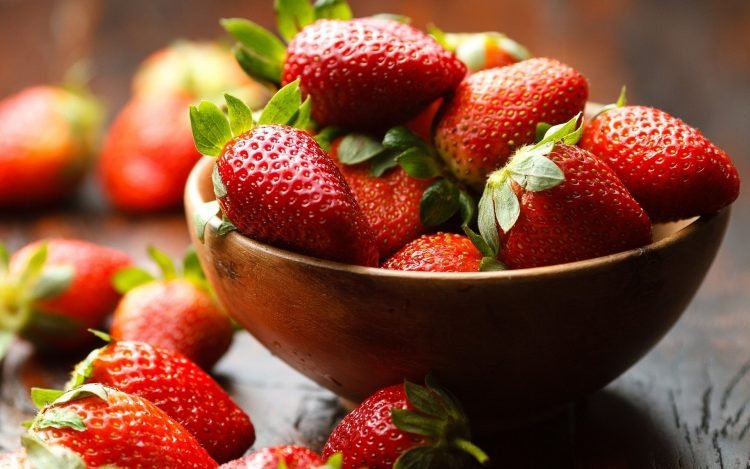
I love strawberries! Their taste, their texture, their color. Everything about a fruit draws me in, but I bet you didn’t know these cold facts about this incredible berry. CLOTTING: Recent research has shown that strawberries are not only full of antioxidants but also have antiplatelet, aka anti-clotting properties.???? What does this mean? Platelets are components of your blood that clump together and cause clots. These can then travel throughout your body until they get stuck, like in your legs, your brain, your heart, your lungs. Those are thrombotic events, and in medicine, they’re called strokes, pulmonary emboli, and heart attacks. Many medications on the market today prevent platelets from forming these clots to lower the risk of thrombotic events.???? A diet that can lower the risk of these events even more would benefit everyone who is on these medications and have other diseases that increase their risk of having them. https://youtu.be/gPIJqXZqmvU ANTI-GOUT There might also be some anti-gout effects. Uremic acid is the culprit here, and it can deposit in your joints, causing gout symptoms: redness, pain, warmth, inflamed, and unbearable should be another one. At the moment, research is a bit inconsistent, and more info is needed, but in the off chance that strawberries COULD lower levels of uremic acid in your blood… I’d say: CHILL AND EAT STRAWBERRIES LIPID LOWERING, LOWER CHOLESTEROL Before I get into this, I want to give you some word definitions to explain better what things are. I know I had some trouble understanding all these terms when I first started medical school. Oxidative stress Damage An excellent way to remember its damage is this: When something gets oxidated = it RUSTS & RUST is BAD For Spanish speakers – think: Oxidar = RUST = BAD LDL Bad cholesterol But if you’re a Curios George, its Low-Density Lipoprotein HDL Good cholesterol And if you’re a Curious George, its High-Density Lipoprotein Okay, so now we can Start: Strawberries found to lower oxidative stress (DAMAGE). Now, higher levels of damage to LDL (BAD CHOLESTEROL) are the most dangerous because it’s what starts narrowing your arteries.???????? Its kind of like HARD FAT depositing on the walls of your arteries until the blood that flows through there is so low that whatever organ the blood is traveling to, gets hurt and a part of it can die. This is what happens in a heart attack; the coronary arteries can be so narrow that an area of the heart dies. There you have it!???? Strawberries are not just delicious and colorful. They are great for your health! Share: More Posts NewsLetter Recent Articles Discover More Articles

Rabies is a viral disease that is usually spread to humans by contact with infected animals. The virus waits in the salivary glands of the animal. Once they bite someone, it travels into the broken skin and into the brain tissue where it wreaks havoc. According to the Center for Disease Control (CDC, 2011), in the last 100 years, there has been a change in the types of animals, causing the most rabies transmission in the United States. Although the most common culprits worldwide are domestic animals such as dogs, especially in under-developed countries, in the United States, the most common hosts are “wild carnivores and bats.” Wild carnivores include raccoons, foxes, coyotes, and skunks (CDC, 2011). This change of host is likely due to the rabies vaccines administered to domestic animals on their routine veterinarian visits, which began in the 1940s (Finnegan, C. J., S. M. Brookes, et al., 2003). Since the 1900s, rabies mortality in the United States has decreased from approximately 100 fatalities annually to about one or two (World Health Organization [WHO], 2017). Suppose is mainly due to the routine vaccination of domestic animals. Also, the majority of the population in the United States has easy access to health care, and post-exposure prophylaxis is readily available (CDC, 2011). The United States population is also well informed. It has access to a variety of resources that would allow them to research the risks of being bitten by an animal, especially a wild animal such as a bat, raccoon, bat, skunk, fox, coyote, and domestic pets as well. These are all things that may not be as accessible to the rest of the world, which is a likely reason why most deaths due to rabies occur in areas with less than adequate health care in combination with living in an area that does not vaccinate domestic animals and has no access to the internet or other resources to keep educated on a topic unless provided to them. This limitation of awareness found in Thailand, where although knowledge about rabies and its severity is high, “awareness about bat transmission specifically was deficient.” Only 10% of the people who took a survey identified bats as a potential source of rabies, and 36% said they would likely not make any specific action if bitten by a bat (Robertson, Kis, Boonlert Lumlertdacha, et al., 2011). According to the WHO, although all continents are affected by rabies, 95% of deaths occur in Asia and Africa. Even if rabies post-exposure prophylaxis (PEP) is readily available to the people in these areas, the costs of PEP are $40 and $49, respectively (WHO, 2017). A value that even some uninsured American citizens may have difficulty paying, let alone a person in Asia or Africa whose “average daily income can be between $1-2 per person” (WHO, 2017). Furthermore, the diagnosis of rabies has also evolved. Previously, the disease was a post-mortem diagnosis in animals, which means that the animal, if not dead already, had to be euthanized to take brain samples and confirm the diagnosis (CDC, 2011). Today, instead of euthanizing a perfectly healthy animal, the animal can be watched for ten days after it bites someone. If no symptoms of rabies appear, the animal is said to be rabies-free (CDC, 2011). That only decreases harm to healthy animals but also reduces the need to treat prophylactically, which, according to the WHO, is high, “typically exceeding 3,000” (WHO, 2017). Diagnosing rabies in humans is quite different, and although there are many diagnostic tests available, the WHO reports that those available are not “suitable for detecting rabies infection before the onset of clinical disease.” The “Fatal Infestations,” a video about the rabies outbreak, was devastating, mainly because rabies is a preventable and curable disease if caught before symptoms of the infection emerge. Since rabies is an infection of the nervous system, symptoms include seizures, erratic behavior and aggression, excessive salivation (drooling), aversion to water (hydrophobia), and even paralysis and coma. Once any of these symptoms manifest, the disease is too far gone, and recovery is unlikely (CDC, 2011). Although the symptoms of rabies are likely to be well known by physicians, many times, the diagnoses are missed. In the medical field, there is a common saying, “If you don’t think of it, you will not diagnose it,” and in this case, rabies was not thought of as a possibility, just as the video proposed. An epidemiological investigation requires specific steps to take in whichever order the investigator deems necessary (Gregg, Michael B, 3-13). The video shown in class showed a small portion of what an actual investigation entails. The investigation began when local health departments called the CDC because of concerns of an outbreak. The video shows the CDC arriving and speaking with the families acquiring what is called descriptive epidemiology: when, where, who, how many (Gregg, Michael B, 156-157). They looked for connections between all three victims now in a coma, intubated, and in the ICU. They then conducted a series of lab tests and imaging on all patients to diagnose the cause, but their efforts were unsuccessful, and a diagnosis could not be made. When the first fatality occurred, and the organ donor identified as the source, descriptive epidemiology continued, now centered on the donor himself. The CDC went to the patient’s home and spoke to friends and family. Luckily, this led to information about a bat bite on the donor’s chest in the previous weeks. The CDC then requested an autopsy and sent investigators to the donor’s home looking for the bats with infrared lenses. Multiple bats were found and taken into the CDC, where they tested for the rabies virus. The same rabies virus was confirmed to be present in both donor and bat, and the source of the infection found (“Fatal Infestations”). The video ends with the death of the last living victim. Any situation where an individual is still alive and on the brink of death due to an unknown cause, which has already killed others, the
My take on “What the Health” For those of you who haven’t seen it yet, watch it and let me know what it makes you think – 5 – Documentary Point: Chicken is not healthier than beef, it has almost the same amount of cholesterol as beef..85mg in chicken compared to 89mg of beef. Debunker Criticism: dietary cholesterol is NOT associated with Coronary Artery Disease Conclusion: I described studies that supported the debunker on this one when I talked about eggs (2). Dietary cholesterol does not severely impact coronary artery disease. But is chicken actually healthier than beef? Well, one study showed that poultry meats have a good overall nutritional profile. And they say it may even be beneficial in pregnant women, elderly and children. It goes on to say that eating chicken help maintain body weight, and have a positive effect on cardiovascular disease, diabetes, and cancer… then I read the conflicts of interest section… It was funded by Unaitalia, a company that specializes in the promotion of Italian food chains of meat and eggs. Is that too conflicting? Maybe? Ugh, I don’t know, what do you think? A study on 500,000 men and women did show that red and processed meat was associated with the risk of cancer of multiple organs including the colon, liver, pancreas, and others. But what about chicken? One study showed that although red meat does, chicken and fish do not increase the risk of rectal cancer. Another study showed chicken doesn’t increase the risk of prostate cancer. A Harvard study looked into the effect of meat, fish, poultry, and eggs on prostate cancer progression. Eating processed meats, unprocessed red meat, fish, total poultry, skinless poultry were not associated with prostate cancer recurrence or progression. Greater consumption of eggs and poultry with skin was associated with a 2x increase in risk in comparison. Men with high risk and high poultry intake had a 4 fold increased risk of recurrence or progression. So, if you have to choose between meat and chicken, eat lettuce HA! right, that’s a tough one. If the question is based on cholesterol which is better… well neither they’re both bad. Based on the risk of colon cancer, chicken is better. Based on prostate cancer, skinless chicken is better. But we never make decisions based on specific things like these. The argument becomes a bit difficult. Overall animal protein, higher saturated fat. All animal protein has saturated fat, including dairy and fish. That’s what you should know in my opinion – 6 – Documentary Point: what about fish? Also not that great The amount of omega 3 in fish is lower than green veggies! Has other worries too like PCBs (chemicals), mercury, saturated fat, cholesterol Cholesterol is all over the place. Tuna in water has less than1/2 a glass of milk. Salmon or tilapia can be even higher than a pork chop. Debunker didn’t criticize this in his video. Conclusion: I chose to talk about this because a lot of people believe that we NEED animal protein to get omega 3, energy, protein, etc. This is a good topic to talk about because fish is actually not the highest source of omega 3. In fact, some fish have more omega 6, which can cause inflammation and can worsen a lot of inflammatory diseases. So, not all fish is good! But that’s another blog post. Lastly, maybe higher cholesterol thank pork chop depends on how it’s cooked, I’m not sure. I didn’t find any evidence of this. But I’ll keep looking I promise! – 7 – Documentary point: humans need cow milk as much as we need milk from a giraffe. Debunker criticism: NONE Conclusion Okay so the debunker didn’t say anything about this either, but I figured it’s a good a place as any to discuss milk. There are so many milk commercials and ads. Milk gives you calcium and potassium and vitamins blah blah blah. Sure, they’re all true. Milk is supposed to nourish….just babies? I used to think milk was extremely important to a person’s diet because of all these nutrients, so I decided to look into it. Turns out, there is no definitive answer here. It is not bad for some things and it’s bad for others. One study found that dairy products “do not increase the risk of cardiovascular disease, particularly if low fat”. Further, it also found that “up to 3 servings per day appears to be safe and may confer a favorable benefit with regard to bone health”. Then, another study went on to say that a higher consumption of dairy products was associated with higher levels of hip fractures. Also, some of the highest consumers of dairy including Finland and Sweden, also happen to have high rates of osteoporosis. One study explains that areas where vitamin D is low but calcium intake is high also has a high prevalence of cardiovascular disease and osteoporosis. Many doctors today are sending patients home with vitamin D supplements. A study conducted on polish women concluded that bone health depends on many things including calcium intake, vitamin D, age, and menstruation in women. They went on to say that dairy product consumption early in childhood may lower the risk of osteoporosis in adult women. Another study, conducted recently this year found that low calcium intake and low vitamin D both contributed to low bone density, osteoporosis in menopausal women in Korea. Overall, there is conflicting evidence that milk should be avoided. Based on all this information it is hard to decide whether milk is good or bad. As a doctor, I think vitamin D, calcium, and all other minerals and vitamins are important for health. Whether we should be getting them from milk, is not for me to say. My take on all this is that anything in excess is bad, as always. Yes, you can find vitamin D and calcium from other sources so milk is not needed. Yes, what the documentary said about us only needing milk early in life is also true. But there are so many things we