

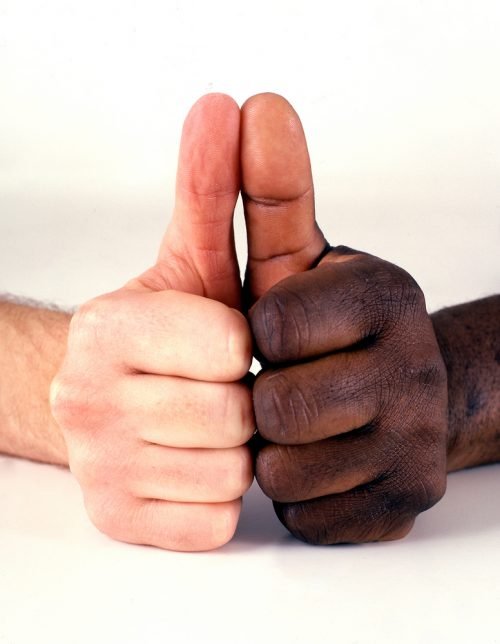

Although the above study showed how patients might receive less than optimal healthcare due to discrimination by institutions and healthcare providers, health disparities are not just based on race.
The race is also complicated by social, economic status. What I mean by that is this social, financial situation is sometimes lower among individual races, and therefore might have less access to health care. According to a study on race, socioeconomic status, and health, poverty varies by race; moreover, child poverty rates “for all racial groups, are higher than the overall poverty rates and child poverty is also strongly patterned by race.” Furthermore, poverty levels of blacks and Hispanics were two to three times higher than those of whites (Williams, 2012).
However, even after controlling for SES, “racial disparities in health often remain.” Likewise, there are also racial differences in disease, even among high SES groups.
Certain diseases such as diabetes and high blood pressure were almost twice as high in black physicians than white physicians. From a class lecture in my health policy class, Life expectancy is also affected by race, as well as SES and income.
 According to a study on race, SES, and health, racial discrimination has gained a lot of interest in a possible stressor that may adversely affect health.
Some of the health issues that are associated with racial discrimination include fibromas, diabetes, higher risk of drug abuse, and coronary artery disease (William, 2012).
Stereotypes have also been found to adversely affect health disparities between races. Any stigmas of inferiority, which have been found to affect academic performance, have also been associated with high blood pressure.
Stigmas such as “blacks performing more poorly on exams than whites, women who were told they performed worse than men, white men told they perform worse than Asians,” etc. Also, internalized stigma has been associated with a higher risk of being overweight, as well as more abdominal obesity in black women in the Caribbean and more cardiovascular outcomes in black women in Africa (William, 2012).
Another study showed how the patients themselves change their behaviors and increase their risk of illness. A study on racial discrimination and HIV-related risk behaviors in Southeast Lousiana showed that those who experienced racial discrimination had higher levels of risky sexual behaviors.




I firmly believe that it is our physiological response to stress. In this care, racial hostility or marginalization that brings with it all the adverse effects previous studies have shown to be associated with just racial hostility.
A study by Richman in 2009 found that racial stressors were associated with higher cortisol levels and a blunted stress response, especially among African American women. The findings also suggested that race-related stress may have a “sustained impact on physiological stress response” and that it is “such alterations in physiological processes and adrenocortical responses, in particular, can harm long-term health outcomes.” Furthermore, other studies have shown that higher levels of cortisol increase the risk of infectious diseases, depression ([Mason, 1991] & [Brown, 1999]). Even more important is that recent traumatic racial stressors have a substantial impact on stress-related responses, and prolonged stressors may alter coping responses to moderate the effects of the stressors (Richman, 2009).
Although the above study was limited to African Americans, and it is, therefore, a limitation of the study, I agree that any stressor can increase levels of cortisol. Prolonged stress about a certain situation will cause prolonged increases in cortisol, which will then leave the person vulnerable to diseases such as infections, weight gain, osteoporosis, diabetes, sleep disturbances, cardiovascular disease as well as depression (Whitworth, 2005). Therefore I believe that although race and socioeconomic status may have a role in health, the main issue is how a person responds to it. If racial hostility causes the person to be stressed, and cortisol levels remain high due to the person’s inability to cope or lack of high-quality relationships, then they are at increased risk of health issues.  I have always believed that health is a complicated thing. So many things must work together to give a person good health. Any disturbance in their life, stress, whether it is racial or economic, will, of course, adversely affect their health. It is because of this that yes, I agree that racial hostility will no doubt adversely affect health and therefore widen the health disparities. However, I don’t believe it is from racial hostility alone. It is more about how the person who is experiencing racial hostility reacts to the hostility. Do they have high-quality relationships? Do they have adequate support from their physicians? Is there anyone who they can speak to and lean on? Do they feel safe? Stress itself is what worsens a person’s health. If the person is experiencing increased pressure and is unable to cope adequately, then their health will plummet. Therefore, based on all this, I believe that if a patient does not have a sound support system, high-quality relationships, and proper coping mechanisms, then racial hostility will worsen their health.

Importance Of Glucose Control In Diabetes: Depending on how high

Diabetes is such a broad topic! I have personally noticed that
Congrats! You’ve matched. What should you expect as First-Year Family Medicine

Now that we’ve given you the basics on the benefits